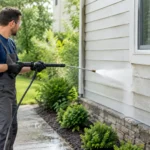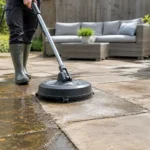
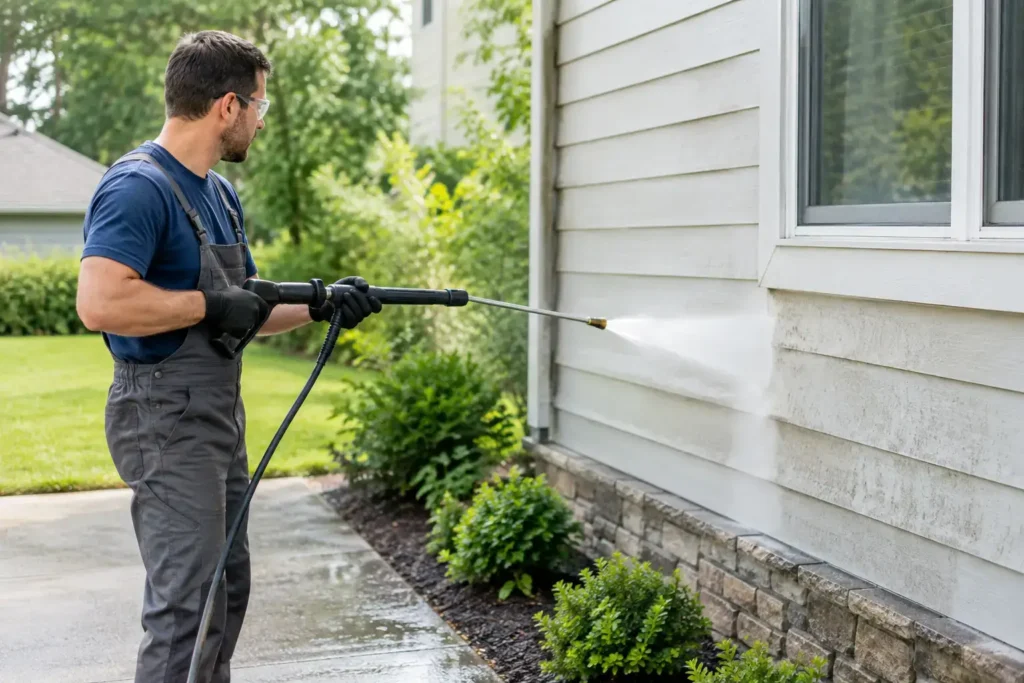
A dirty driveway can make a home look neglected, but pressure washing safety should come before quick results. A pressure washer can strip grime from paving in minutes, yet the same force can cut skin, damage mortar, force water behind siding, and turn a simple cleaning job into an expensive repair. For many homeowners, the safest decision is knowing where the job ends and professional help begins.
Why Pressure Washing Safety Matters
Pressure washers use a concentrated stream of water powerful enough to remove algae, oil stains, loose paint, and built-up dirt. That cleaning power is useful on the right surface, with the right setting, from the right distance. Used carelessly, it can scar concrete, etch brick, loosen roof tiles, splinter timber, and damage window seals.
The risk is not limited to the surface being cleaned. Water and cleaning solution can run onto paths, drains, lawns, neighboring property, or public areas. A wet patio becomes slippery very quickly. Flying grit can also damage vehicles, windows, garden furniture, or anyone standing nearby.
Homeowners often underestimate the pressure because the machine looks straightforward to use. The trigger, hose, and nozzle may be simple, but controlling the spray safely takes experience. Different materials react differently, and older surfaces are often less forgiving than they appear.
Start With the Surface, Not the Machine
Before switching on a pressure washer, identify exactly what you are cleaning and what condition it is in. A solid concrete driveway may cope well with suitable pressure and technique. A weathered paved patio with loose jointing, cracked slabs, or soft stone needs a much gentler approach. In some cases, pressure washing is not the right method at all.
Brickwork is a common example. High pressure can remove mortar from joints and push water into tiny cracks. This may not be obvious immediately, but repeated cleaning can leave walls more exposed to damp and frost damage. Painted surfaces can peel, while wooden decking can become rough, splintered, and uneven if the nozzle is held too close.
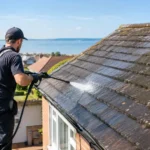
Roofs require particular caution. Pressure washing roof tiles can dislodge protective coatings, crack fragile tiles, or drive water into places it should not reach. It can also spread moss debris into gutters and downpipes. Roof cleaning should be assessed carefully, especially on older homes or properties with signs of damage.
It is also worth checking for cables, exterior lights, vents, air-conditioning units, and loose fittings before work starts. Direct pressure and excess water can cause damage that is difficult to spot until later.
Set Up a Safer Work Area
A clear work area makes a major difference. Move cars, bins, outdoor furniture, pots, and children’s toys away from the cleaning zone. Close nearby windows and doors, and make sure pets and children are kept indoors or well away from the work.
Look closely at the ground before you begin. Uneven paving, loose gravel, moss, and standing water all increase the chance of slipping. Hoses should be positioned so they do not create a trip hazard across walkways or entrances. If you need to clean an area near a public sidewalk, take extra care to prevent overspray and water runoff from affecting passersby.
Electrical safety deserves the same attention. Use an outdoor-rated power source where required, keep electrical connections dry, and inspect the cable and equipment before use. Never spray directly at outdoor electrical outlets, light fixtures, or equipment. If anything looks damaged, stop and arrange for it to be checked rather than taking a chance.
Personal Protection Is Part of the Job
Ordinary clothing is not enough protection against high-pressure water and flying debris. Closed-toe, non-slip footwear helps maintain footing on wet ground, while safety glasses protect your eyes from grit, cleaning solution, and fragments dislodged from the surface. Gloves can improve your grip and protect your hands from dirt and detergents.
Avoid loose clothing that could catch on equipment. Keep both hands on the lance when operating the machine, and never point the nozzle at yourself, another person, or an animal. Even a brief spray can cause a serious injury, particularly at close range.
If a high-pressure stream cuts or punctures the skin, seek medical advice promptly. These injuries can look minor on the surface while causing deeper damage. Do not assume that a small mark means everything is fine.
Use the Lowest Effective Pressure
The goal is not to use the strongest setting. The goal is to clean the surface without harming it. Start with a low-pressure test in an inconspicuous area and stand farther back than you think you need to. Gradually adjust the distance and setting only if necessary.
Keep the spray moving in a controlled, even motion. Holding the nozzle in one place can leave stripes, gouges, or visible marks, especially on concrete and decking. Work away from walls, door thresholds, window frames, and air vents so water is not forced into gaps.
Nozzle choice matters too. A narrow spray creates a more concentrated force and is more likely to cause damage. Wider fan settings are generally safer for broad surfaces, although the right option depends on the material and the condition of the area. If you are unsure, do not guess on a visible part of your home.
Cleaning products need care as well. Use products designed for the surface you are treating, follow the manufacturer instructions, and avoid mixing chemicals. Strong cleaners may affect plants, paint, pets, and nearby watercourses. Cover sensitive plants where practical, rinse them afterward if appropriate, and keep solutions out of drains unless the product instructions confirm it is safe to do so.
Know When a Professional Is the Safer Choice
There is a real difference between rinsing a small, sound patio and cleaning a large driveway covered in oil, algae, and years of staining. The job becomes more complex when access is difficult, the surface is delicate, runoff needs managing, or ladders would be required.
Professional exterior cleaners assess the material before choosing a method. In many cases, controlled low-pressure cleaning, surface-cleaning equipment, treatment products, or manual work will produce a better result than blasting the area at full force. The right method can protect joints, coatings, drainage, and surrounding landscaping while still delivering a visibly cleaner finish.
Hiring a fully insured provider also reduces the pressure on the homeowner. There is no need to store equipment, handle unfamiliar chemicals, work around awkward access, or risk damaging a surface that would be costly to repair. This is particularly valuable for roof areas, upper-story work, fragile stone, and heavily stained driveways.
For homes in coastal and high-weather areas around Canvey Island, Benfleet, Rayleigh, and Southend-on-Sea, algae and salt-related grime can return quickly. Regular maintenance can be more effective than waiting until buildup becomes severe. Light, planned cleaning often requires less aggressive treatment than a one-time attempt to remove years of dirt.
After Cleaning, Check More Than the Result
A clean surface should still be safe to walk on. Allow paths, patios, and driveways time to dry before using them, especially where shade or cool weather slows drying. Check drains and gullies for leaves, moss, sand, or debris washed loose during cleaning. Blocked drainage can leave water pooling against the property or create a slip risk after rain.
Take a final look at joints, seals, edges, and surrounding surfaces. If you notice loose mortar, lifting sealant, damaged paint, or water where it should not be, deal with it early. Cleaning can reveal existing wear that dirt had been hiding, which is useful if it leads to timely maintenance.
A spotless driveway or patio should make your property easier to enjoy, not create a repair bill or safety concern. Treat the pressure washer with the respect it deserves, and when the surface, access, or condition of the job is uncertain, choosing experienced help is the sensible way to protect your home.