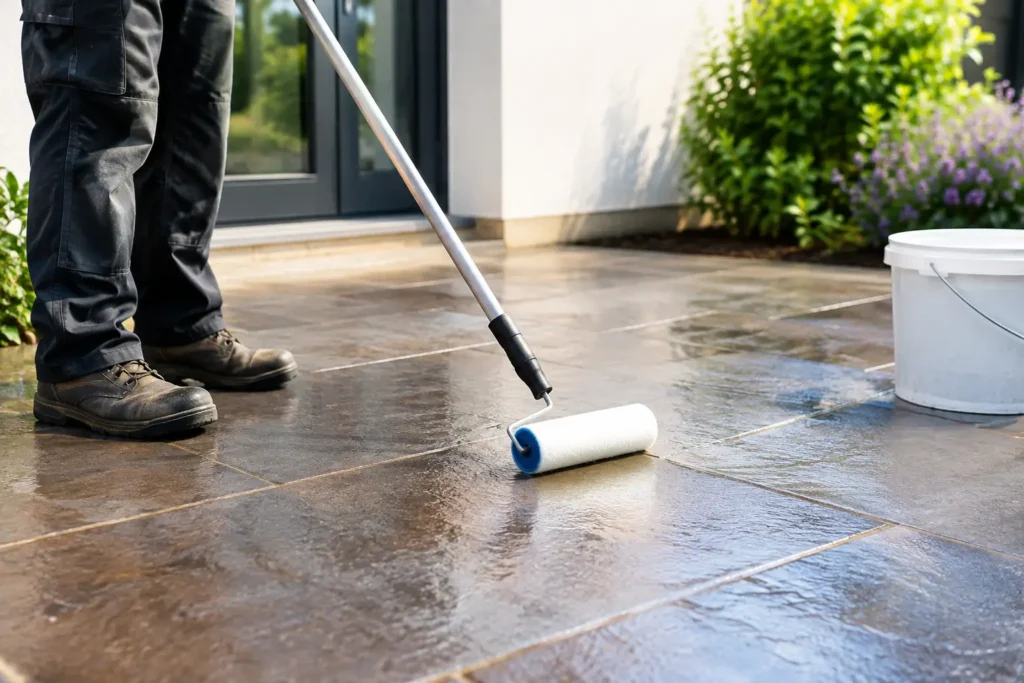
A patio can look clean enough from the kitchen window yet become dangerously slick after a shower. Green algae, black biofilm, moss, and trapped surface dirt all hold moisture against paving, turning paths, steps, and driveways into a slip risk. The best treatment for slippery paving is usually not a single product. It is a proper clean followed by the right preventative treatment for the paving material and the conditions around it.
For homeowners, the priority is simple: make the surface safer without damaging it, leaving residue behind, or creating a problem that returns a few weeks later. The right approach depends on whether you have block paving, concrete slabs, natural stone, porcelain, or tarmac, as well as how much shade, drainage, and foot traffic the area receives.
Why paving becomes slippery
Most slippery paving problems are caused by organic growth. Algae thrive in damp, shaded places, particularly on north-facing patios, garden paths, and areas beneath trees. Moss can take root in joints and rough surfaces, while a thin layer of biofilm can make even apparently clean paving feel slick underfoot.
Fallen leaves, soil, pollen, and standing water make matters worse. If rainwater cannot drain away properly, the surface stays wet longer and gives algae the conditions it needs to grow. In coastal and built-up areas, airborne dirt can also settle into the texture of paving and feed that growth over time.
This is why a quick rinse rarely solves the issue. It may remove the visible green layer, but the spores and organic residue remain in pores, joints, and uneven areas. The paving can become slippery again surprisingly quickly.
The best treatment for slippery paving starts with cleaning
For most patios, walkways, and driveways, a professional deep clean is the most effective first step. This removes the layer that is causing the slip hazard rather than simply masking it.
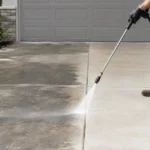
Pressure washing can be highly effective on durable concrete, block paving, and many paving slabs when it is carried out at the correct pressure and angle. It lifts algae, moss, ingrained dirt, and surface staining, producing a noticeably cleaner and safer finish. However, more pressure is not always better. Excessive pressure can damage soft stone, loosen pointing, strip jointing material, or leave visible lines in the surface.
A professional cleaner will assess the paving before starting. Natural stone, older slabs, and delicate surfaces may need a lower-pressure clean or a treatment-led method instead. Porcelain paving also needs care. Its low-porosity finish is easier to keep clean, but improper cleaning can affect grout or leave residue that makes the surface feel worse when wet.
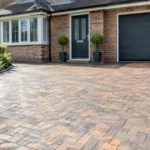
For block paving, cleaning can remove sand from the joints. Once the area is fully dry, re-sanding may be needed to help stabilize the blocks and discourage weed growth. This is one reason a complete service is more useful than a quick wash with a rented machine.
Use an algae treatment to stop fast regrowth
After the surface has been cleaned, an appropriate biocide or algae treatment can help deal with the remaining spores. This is often the difference between a patio that stays safer for months and one that starts turning green again after the next spell of wet weather.
These treatments work over time, breaking down organic growth that may be left behind in tiny pores and joints. They are particularly useful for shaded patios, paths near lawns, and paving beneath overhanging trees. The surface may need to remain dry for a set period after application, so timing the work around the weather matters.
Not every chemical treatment is suitable for every area. Products must be used carefully around planting, ponds, pets, and drainage points. A responsible service provider will choose a suitable product, follow dilution and application guidance, and avoid sending contaminated runoff into places where it should not go.
Bleach is sometimes used as a home remedy, but it is rarely the best answer. It can discolor certain materials, harm nearby plants, create strong fumes, and leave a patchy result. It may lighten visible algae without properly resolving the underlying dirt and drainage issues.
Should you seal slippery paving?
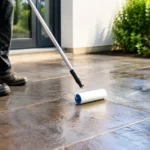
Sealing can be worthwhile, but it is not automatically the best treatment for slippery paving. The right sealer can make some surfaces easier to clean and reduce water absorption, which may slow down staining and organic growth. On block paving, a quality breathable sealer may also help stabilize jointing sand and improve the finished appearance.
The wrong sealer, or an incorrectly applied one, can cause problems. Some glossy finishes can become slippery when wet, while non-breathable sealers may trap moisture beneath the surface. Sealing should only be considered once paving is fully clean, dry, and in good condition.
If slip resistance is the main concern, ask specifically about a breathable, slip-resistant finish that is compatible with your paving. This is especially relevant for steps, sloped paths, poolside-style areas, and entrances that receive regular foot traffic. A professional should test a small area or confirm suitability before treating the whole surface.
Fix the conditions that cause the problem
Cleaning and treatment will go much further when the causes of repeated dampness are addressed. If water regularly pools on the patio or driveway, check whether gullies, drains, or channel edges are blocked with leaves and debris. Poor drainage does not just encourage algae. It can also lead to staining, frost damage, and movement in the paving over time.
Trim back overhanging shrubs and tree branches where practical. More daylight and airflow help surfaces dry after rain. Sweep leaves away promptly during fall rather than allowing them to break down into a damp layer across the paving.
It also helps to keep soil and lawn clippings off hard surfaces. A narrow border, edging, or regular sweep around garden paths can reduce the amount of organic material that gets washed onto the paving. These small maintenance jobs are often what keep a professionally cleaned surface looking better for longer.
When DIY is enough and when to call a professional
A lightly affected patio may respond well to regular sweeping, a suitable outdoor cleaner, and a stiff brush. This can be a sensible option for a small, accessible area with mild algae growth. Always use a product intended for the material you are cleaning, and follow the instructions carefully.
DIY becomes less appealing when the paving is heavily green, the area is large, the surface is uneven, or there are steps and slopes involved. Home pressure washers can also cause damage when used too closely or at the wrong setting. The risk is greater on old paving, soft natural stone, loose blocks, and areas with worn pointing.
Professional cleaning is often the better choice when safety is already a concern. It provides a more consistent clean, uses equipment appropriate for the surface, and avoids the time and mess of trial and error. For homeowners in Canvey Island and nearby Essex towns, Essex Exterior Cleaning can assess the surface and provide a clear recommendation before any work begins.
A simple maintenance routine for safer paving
Once the paving has been properly cleaned, it does not need constant attention. A quick sweep every week or two removes leaves, mud, and debris before they hold moisture in place. Check drains after heavy rain, especially near patios and driveways where water tends to collect.
Most exposed paving benefits from a maintenance clean when green growth begins to show rather than waiting until the entire area is slippery. Shaded or tree-lined gardens may need attention more often than open, sunny spaces. There is no fixed schedule that suits every property, but acting early is easier, safer, and usually more cost-effective than dealing with a heavily contaminated surface.
A clean path should feel safe every time you step outside, not only when the weather is dry. Treat the first signs of green growth as a maintenance job, and your paving will stay more presentable, more durable, and far safer underfoot.