A Canvey Island driveway restoration example often starts with a surface that has gradually lost its appeal rather than one dramatic problem. Block paving can turn dark with algae, oil spots can stand out near the garage, and weeds can work through the joints until the whole entrance looks neglected. The good news is that many driveways do not need replacing. Careful professional cleaning can bring back a far cleaner, more cared-for finish.
For homeowners, the visible change matters, but so does the way the work is carried out. A driveway is a large, prominent part of the property. Cleaning needs to remove built-up dirt without damaging the paving, forcing water where it should not go, or leaving a mess across paths, walls, and drains.
The starting point: a weather-worn block-paved drive
Consider a typical block-paved driveway on Canvey Island. It has been exposed to wet weather, coastal air, falling leaves, vehicle traffic, and day-to-day use for years. The blocks were originally a warm, even color, but the surface now looked dull and patchy. Green growth was visible along the shaded edge, weeds had appeared in several joints, and tire marks made the parking area look darker than the rest of the drive.
This is the point at which many homeowners assume the blocks have permanently changed color. Sometimes they have, especially where oil has soaked deeply into older paving. More often, though, the main issue is surface contamination: grime, algae, moss, lichen, mud, and organic buildup that masks the original finish.
A proper inspection comes before any pressure washing. The condition of the blocks, the stability of the joints, existing cracks, drainage direction, nearby doors and walls, and access to the work area all affect the method. A loose or damaged block needs a different approach from a sound, well-laid surface with simple surface growth.
What driveway restoration can realistically achieve
Driveway restoration is not a promise that every mark will disappear. It is a practical process designed to improve appearance, reduce slippery growth, clear debris from joints, and help the paving look closer to its intended color and texture.
On this type of driveway, the strongest improvement usually comes from removing the dark organic film across the blocks. Once that layer is lifted, the difference can be immediate. The driveway looks brighter, the pattern of the paving becomes clearer, and the entrance feels better maintained.
Oil stains are less predictable. Fresh stains respond better than older deposits that have penetrated the surface. Rust marks, paint, cement splashes, and permanent discoloration may need specialist treatment or may remain partly visible. An honest assessment avoids unrealistic expectations and helps the homeowner decide whether cleaning alone is the right investment.
A careful Canvey Island driveway restoration process
The work begins by preparing the area. Vehicles, movable planters, bins, and other obstacles are removed where possible, giving the cleaner clear access to the full driveway. Loose leaves, stones, and surface debris are cleared first so they do not get dragged across the paving during cleaning.
Treating algae, moss, and surface buildup
Where green growth is established, a suitable treatment may be applied before cleaning. This helps break down organic buildup and gives pressure washing a better chance of producing an even result. It also reduces the temptation to use excessive pressure, which can scar some paving surfaces or wash out too much jointing material.
The correct treatment and dwell time depend on the driveway material and the amount of growth present. Concrete block paving, natural stone, resin-bound surfaces, and tarmac should not all be treated in the same way. This is one reason a one-size-fits-all approach can create avoidable damage.
Controlled pressure washing
Professional jet washing is then used to lift dirt from the surface and flush debris from the joints. The aim is not simply to blast the driveway as hard as possible. A steady, controlled method gives a more consistent finish and limits unnecessary disturbance to the paving.
For block paving, cleaners generally work in sections so the surface is cleaned evenly. Attention is given to the edges, around drain covers, and the areas where tires regularly sit. These spots often hold the heaviest buildup and can make a driveway look unfinished if they are missed.
Runoff also needs managing sensibly. Dirt and debris should not be pushed into drainage points where it can contribute to blockages. Nearby walls, gates, and garage doors should be treated with care, particularly on a smaller driveway where water can bounce back from hard surfaces.
Re-sanding block paving joints
Once a block-paved drive has dried sufficiently, kiln-dried sand can be brushed into the joints where cleaning has removed loose material. This is a key part of the restoration process, not an optional extra. The sand helps support the blocks, reduces movement, and makes it harder for weeds to establish quickly in open joints.
Some homeowners are surprised that fresh jointing sand may take time to settle fully. Light weather and normal use help it bed into place. If a driveway has major movement, deep gaps, or damaged edges, those issues may need repair before re-sanding can provide a lasting result.
The result: cleaner paving without unnecessary replacement
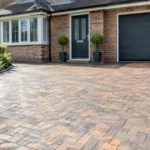
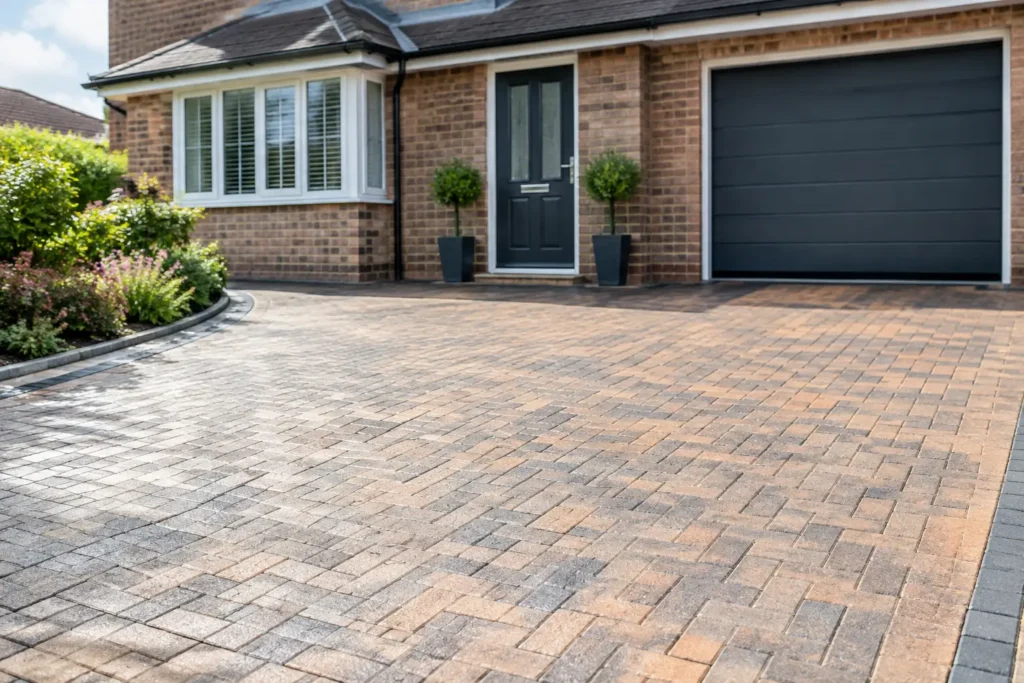
After cleaning, the typical result is a driveway that looks noticeably brighter and more uniform. The original tone of the blocks is easier to see, algae has been removed, weeds have been cleared, and the entrance has a sharper outline against the house and garden.
That change can make a real difference to how the property feels when you arrive home. It can also improve curb appeal before viewings, building work, or family events. More practically, removing slippery algae from paths and parking areas helps make everyday access safer during wet weather.
There is a cost comparison worth considering. Replacing a driveway involves excavation, materials, labor, and disruption. Restoration is often the sensible first step when the foundation and paving remain sound. However, cleaning is not a substitute for structural repair. Sunken sections, broken blocks, poor drainage, or extensive cracking should be addressed rather than hidden beneath a freshly cleaned surface.
How to keep the driveway looking better for longer
A cleaned driveway will still face rain, shade, leaves, and vehicle use. The goal is not to keep it looking newly laid forever, but to stop buildup from becoming heavy again. Sweeping leaves and soil away before they break down is a simple habit that makes a difference, especially near hedges and garden borders.
Deal with oil drips promptly using an appropriate absorbent or cleaner. The longer oil sits, the more difficult it can be to remove. Keeping gutters clear also helps, as overflowing rainwater can create damp, dirty patches near walls and downpipes.
For many homes, periodic professional driveway cleaning is enough to prevent a return to the dark, slippery condition that makes the surface look tired. The right timing depends on shade, surrounding trees, driveway material, and how heavily the area is used. A bright, open drive may stay cleaner longer than one beneath mature trees or beside dense planting.
Choosing a local team for the job
Driveway cleaning may look straightforward from a distance, but good results depend on judgment. The cleaner needs to recognize the surface, set the right pressure, protect surrounding areas, and be clear about what can and cannot be removed. Fully insured work and a clear plan for the property give homeowners greater confidence from the outset.
Essex Exterior Cleaning provides practical exterior cleaning for homeowners who want visible results without the stress of handling difficult equipment themselves. A driveway can often be restored in a single visit, provided its condition is suitable and access is straightforward.
If your driveway has become dark, weedy, or slippery, do not assume replacement is the only answer. A careful assessment can show whether professional cleaning and re-sanding could give the surface a fresh, well-maintained appearance again.