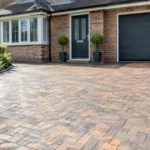
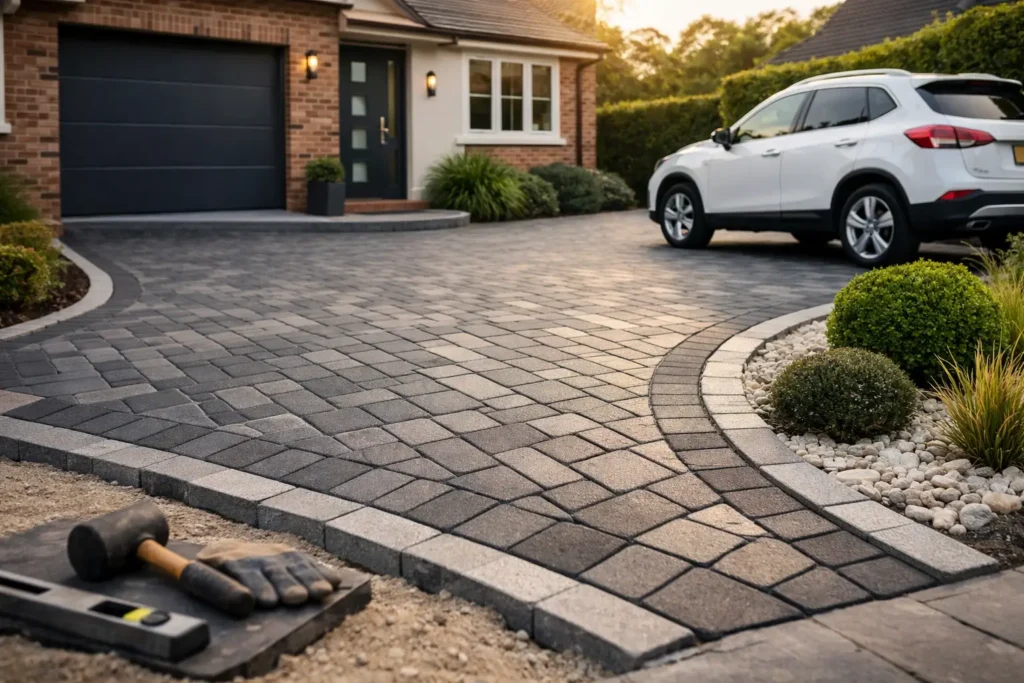
A driveway can make the whole front of a home look neglected long before anything inside needs attention. Oil marks, black algae, weeds, tire tracks, and ground-in dirt build up gradually, so it is easy to stop noticing them. A professional Basildon driveway transformation brings the surface back into view, often revealing a cleaner, brighter finish that has been hidden beneath years of buildup.
For many homeowners, this is not about making a driveway look artificially new. It is about restoring a tidy, well-cared-for appearance while helping to prevent slippery growth, clogged drainage areas, and avoidable surface wear. The right cleaning approach depends on what your driveway is made from, how dirty it is, and what has caused the staining in the first place.
What Makes a Driveway Look Worn Out?
Essex weather gives exterior surfaces plenty to deal with. Rain, shade, fallen leaves, road dust, and vehicle use create the ideal conditions for organic growth and grime to settle into paving. North-facing or sheltered driveways often develop green algae and black spotting more quickly, while areas beneath parked cars may collect oil and other automotive stains.
Block paving is especially prone to looking tired when weeds push through the joints or sand is lost over time. Concrete can darken unevenly, and tarmac may hold dirt in its textured surface. Even a driveway that is structurally sound can look far older than it is when these issues are left untreated.
Cleaning is also about safety. Algae can become slick when wet, particularly on paths, slopes, and entrance areas. Removing it can make everyday access more secure for family members, visitors, and delivery drivers.
A Basildon Driveway Transformation Starts With the Surface
There is no single setting or cleaning method that suits every driveway. Professional results come from assessing the material first, then using the right balance of treatment, water pressure, and care around edges and joints.
Block paving
Block paving responds well to a thorough clean, but it needs careful handling. A powerful jet wash can remove weeds, surface dirt, and staining, yet it may also dislodge jointing sand. Where necessary, the blocks should be allowed to dry before fresh kiln-dried sand is brushed into the joints. This helps keep the paving stable and reduces the space available for weeds to return.
If the blocks have faded, cleaning will not change their original color, but it can remove the dull film that makes them appear lifeless. The difference is often most noticeable around the edges, where the original shade becomes visible again.
Concrete and paving slabs
Concrete driveways and slabbed areas can carry deep dirt, moss, and tire marks. The goal is an even clean without leaving visible striping or damaging weaker areas. Older concrete may already have cracks, flaking, or previous repairs, so it needs a measured approach rather than maximum pressure.
Patio slabs used as a driveway surface can also have delicate pointing between them. Cleaning should remove buildup without unnecessarily disturbing the joints. Where moss has taken hold, treatment may be needed as well as washing to achieve a longer-lasting result.
Tarmac and resin-bound surfaces
Tarmac needs more caution than block paving or concrete. Excessive pressure can loosen material, particularly if the surface is old or damaged. Resin-bound driveways should also be cleaned with an appropriate method that clears debris without harming the bound aggregate.
For these surfaces, professional assessment matters. A clean driveway is not worth risking avoidable damage just to achieve a quick visual change.
The Difference Between Washing and Proper Cleaning
A basic rinse may lift loose dirt, but it rarely deals with the causes of discoloration. A more complete service begins with clearing debris and treating stubborn organic growth or staining where appropriate. The surface is then cleaned methodically so that dirt is removed consistently rather than simply moved from one area to another.
Edges deserve attention too. The strip beside walls, gates, flower beds, and garage doors is where grime often remains if the work is rushed. These finishing details are what make the result look properly completed from the street as well as from the front door.
Drainage should always be considered. Mud, moss, and loose debris need to be managed responsibly, not washed into a drain where they can contribute to a blockage. This is one reason many homeowners prefer to leave driveway cleaning to an experienced, fully insured local team.
When Stains May Need More Than Pressure Washing
Some marks are harder to remove than others. Fresh oil can sometimes be treated effectively, but old oil stains may have penetrated deeply into porous paving or concrete. Rust marks from metal gates, planters, or vehicles can also need a specific treatment. Paint spills, cement residue, and chewing gum are further examples where the result depends on the stain, the surface, and how long it has been there.
An honest assessment is important. Professional cleaning can make a major improvement, but no reputable service should promise that every old stain will disappear completely. In many cases, reducing a mark so it is far less noticeable is still a worthwhile improvement to the overall appearance of the driveway.
How Long Will the Results Last?
That depends on the location and how the driveway is used. A sunny, open surface with good drainage usually stays cleaner for longer than a shaded driveway beneath trees. Regular sweeping, clearing leaves promptly, and dealing with small spills quickly all help preserve the finish.
For block paving, keeping joints properly sanded is a practical part of ongoing care. If weeds are allowed to establish themselves again, they can spread and make the driveway look untidy surprisingly quickly. Homeowners who want a lower-maintenance finish may consider sealing after the driveway has been professionally cleaned and fully dried, although sealing is not right for every surface.
A sealant can help reduce porosity and make future cleaning easier, but it must be compatible with the material and applied to a clean, dry surface. It can also alter the appearance, sometimes adding a slight sheen or deepening the color. That is a personal preference as much as a maintenance decision.
Why Timing Matters
Many people book driveway cleaning before selling a home, hosting family, or carrying out other exterior work. It is also a sensible job to arrange after winter, when damp weather, leaves, and muddy shoes have had months to leave their mark.
That said, waiting until the driveway looks extremely dirty is not always the best plan. Regular professional cleaning can stop organic growth becoming heavily established and makes it easier to maintain a smart entrance throughout the year. Pairing driveway cleaning with gutter, window, or soffit and fascia cleaning can also give the whole exterior a more consistent, cared-for finish.
Choose Care, Not a One-Size-Fits-All Clean
The best result is not simply the cleanest possible surface on the day. It is a driveway that looks noticeably better without unnecessary risk to paving, joints, surrounding plants, drainage, or nearby walls. Experience, suitable equipment, and attention to detail matter far more than rushing through with high pressure.
Essex Exterior Cleaning provides practical exterior cleaning for homeowners who want visible results without the hassle of hiring equipment, handling chemicals, or spending a weekend scrubbing paving. With more than 10 years of experience, fully insured work, and a free re-clean promise if you are not satisfied, the focus is straightforward: leave your property looking properly cared for.
A clean driveway changes the first impression of a home every time you pull in. If yours is being hidden by weeds, staining, or weather-worn grime, arranging a professional assessment is a simple step toward a smarter, safer entrance.