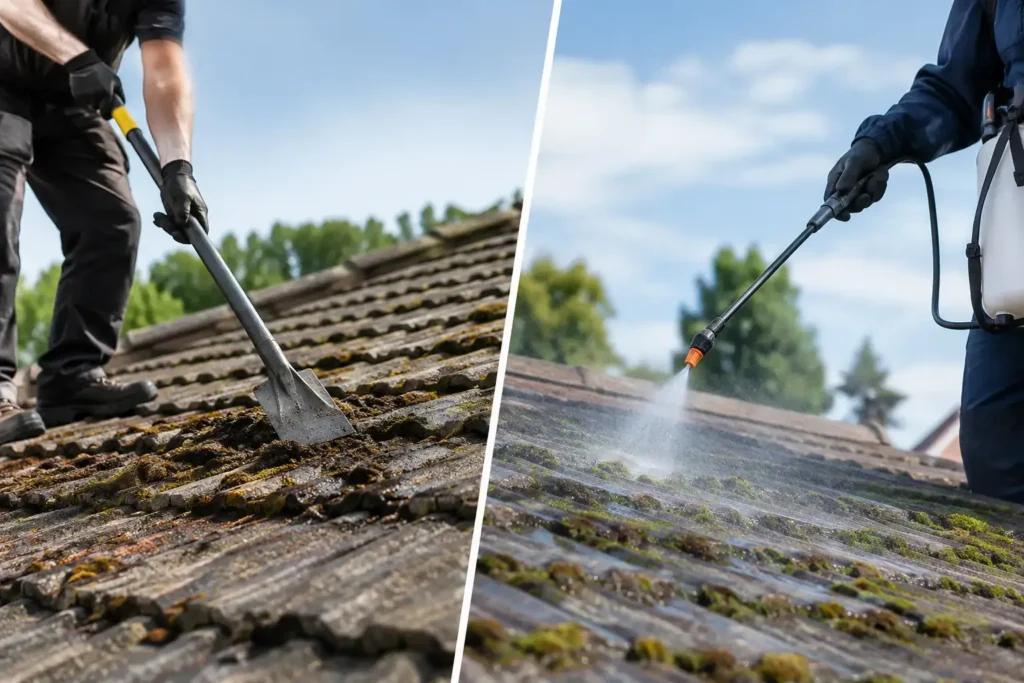
A moss-covered roof can make an otherwise well-kept home look neglected, but the bigger concern is what sits beneath that green growth. When deciding between roof scraping versus biocide treatment, homeowners need to balance immediate appearance with the condition of the roof, the amount of moss present, and how long they want the result to last.
Both methods can play a useful part in professional roof cleaning. Scraping removes thick moss that has already taken hold, while a biocide treatment targets the spores and organic growth left behind. The right choice is rarely about choosing one method blindly. It is about using the safest, most suitable process for the roof in front of you.
What Roof Scraping Actually Does
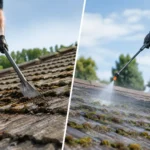
Roof scraping is a manual cleaning method used to lift and remove visible moss, lichen, and debris from roof tiles. A trained cleaner works carefully across the roof using appropriate tools, collecting the removed material rather than allowing it to fall into gutters, downpipes, gardens, or neighboring properties.
The main benefit is clear: scraping gives an immediate visual improvement. If thick clumps of moss are covering tiles, holding moisture, or dropping into the gutters every time it rains, physically removing that buildup is usually the practical first step. It can also make it easier to assess the roof surface and spot cracked, slipped, or damaged tiles that were previously hidden.
A proper scrape should be controlled, not aggressive. Roof tiles can be damaged by unsuitable tools, excessive force, or walking in the wrong places. Older roofs and fragile materials need particular care. This is one reason roof work is best left to insured professionals with the right access equipment and experience.
Scraping alone, however, does not always deal with the cause of recurring moss. Tiny spores and organic residue can remain on the roof surface, especially in shaded, damp areas. Without follow-up treatment, growth may return sooner than expected.
How Biocide Treatment Works on a Roof
A biocide treatment is a carefully applied solution designed to kill moss, algae, lichen, and the spores that support future growth. Rather than relying on high pressure, the solution works gradually over time. Rain and normal weathering help wash away dead organic material in the weeks and months after treatment.
This method is often known as soft washing, although the process is not simply spraying a roof and walking away. The roof needs to be inspected first, and the product must be applied at the correct strength and in a controlled manner. Nearby plants, ponds, patios, gutters, and drainage points should also be considered before work begins.
For light moss, algae staining, or early growth, a biocide treatment may be enough on its own. It is less disruptive than scraping and can be a sensible option for homeowners who do not need their roof to look instantly transformed. The change is gradual, but the treatment is working below the visible surface to reduce regrowth.
Biocide treatment is particularly useful after manual moss removal. Once the bulk of the moss has been cleared, the solution treats the roof surface and gives the cleaning result a better chance of lasting. That combination is commonly the most effective approach for roofs with established growth.
Roof Scraping Versus Biocide Treatment: The Key Differences
The biggest difference is timing. Scraping delivers a visible result immediately because the moss is physically removed. Biocide treatment works more slowly, with weather gradually clearing dead material from the tiles.
There is also a difference in what each method addresses. Scraping removes the existing buildup, which matters when moss is thick enough to affect drainage or block gutters. A biocide treatment targets the organic growth that can remain after removal and helps prevent spores from establishing again.
Cost can depend on roof size, pitch, access, the amount of moss, and whether gutter clearing is needed afterward. A treatment-only service may be suitable for a lightly affected roof and can require less labor on the day. A heavily mossed roof may need scraping first, which is more involved but gives a more complete starting point for treatment.
Neither method should be confused with pressure washing. Although high-pressure roof cleaning can make tiles look clean quickly, it can also be unsuitable for many roofs. Powerful water can disturb tiles, force water into vulnerable areas, remove surface coatings, and create a mess in gutters and surrounding areas. The safest cleaning method depends on the roof material and its condition, not simply on how quickly it produces a bright result.
When Scraping Is the Better Choice
Manual scraping is often the best option when moss is visibly thick, dry clumps are falling onto paths or patios, or gutter blockages are becoming a regular problem. Moss holds moisture against tiles and can slow down drainage, especially around valleys, lower roof sections, and areas beneath overhanging trees.
It also makes sense when a homeowner wants a tidier roof straight away. If you are preparing a property for sale, arranging exterior maintenance, or simply tired of seeing moss spread across the roofline, scraping provides the immediate improvement that a treatment-only approach cannot promise.
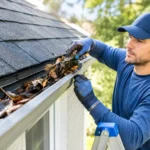
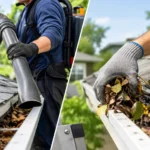
That said, scraping should not be treated as a cosmetic shortcut. The cleaner should assess whether the tiles are sound enough for the work, how safely the roof can be accessed, and whether loose material is likely to enter gutters. Clearing gutters after roof moss removal is often a sensible part of the job, since debris can quickly collect in downpipes and cause an overflow during the next heavy rain.
When Biocide Treatment May Be Enough
A treatment-only approach can be a good fit for roofs with light green staining, early moss growth, or isolated patches of lichen. It is also useful where the roof is structurally sound but needs a lower-impact maintenance approach rather than a major clean.
Patience is required. The roof will not necessarily look dramatically different the next day, and lichen can take longer than moss or algae to break down. For many homeowners, that slower pace is a fair trade-off for a method that avoids unnecessary physical cleaning.
A professional should also be honest about expectations. Very heavy moss will not disappear overnight because it has been treated. If thick growth is left in place, it may continue to shed into gutters while it dies back. In that situation, scraping followed by a biocide application is usually more practical.
The Condition of Your Roof Comes First
Before any roof cleaning begins, look beyond the moss. A roof with broken tiles, loose ridge materials, failing flashing, or signs of leaks may need repair before cleaning. Removing moss does not fix underlying roof defects, and no reputable cleaning service should suggest otherwise.
Age matters too. Some older tiles are more delicate, while others may have weathered surfaces that need a gentle method. Slate, concrete tile, clay tile, and modern coated roofing materials can all require different handling. The roof pitch, access around the property, and proximity to conservatories or extensions also affect the safest plan.
Homeowners should be cautious of anyone offering a one-size-fits-all price or promising to make every roof look brand new. A clean roof can improve curb appeal and reduce organic buildup, but it should still look like a well-maintained roof, not an artificially stripped surface.
How to Help the Result Last Longer
Even the best cleaning process cannot stop moss forever if the conditions that encourage it remain unchanged. Damp shade, overhanging trees, blocked gutters, and poor drainage all create a friendlier environment for organic growth.
Regular gutter cleaning helps rainwater move away from the roof as intended. Trimming back branches where appropriate can improve light and reduce the leaves, twigs, and moisture that collect on roof areas. Periodic visual checks from ground level are also worthwhile, especially after storms or during wet seasons. Look for moss building up at the edges, water spilling from gutters, or debris gathering in roof valleys.
For many properties in Canvey Island and the surrounding Essex area, arranging roof care alongside gutter cleaning is the most convenient way to stay ahead of the problem. It protects the roofline, reduces the chance of blocked drainage, and avoids leaving roof debris to become the next maintenance issue.
Choosing a Professional Roof Cleaning Service
Roof cleaning involves height, fragile surfaces, chemicals, and drainage, so the cheapest quote is not always the best value. Ask how the roof will be accessed, whether the work is fully insured, how moss and debris will be contained, and whether gutter clearing is included or recommended.
You should also expect a clear explanation of the chosen method. If your roof needs scraping, the provider should explain why. If biocide treatment is recommended, they should explain that the result develops over time. This straightforward advice helps you make a decision based on your property rather than on a sales pitch.
Essex Exterior Cleaning takes a practical approach to roof care: assess the buildup, consider the roof condition, and use the method that provides a clean result without unnecessary risk. A carefully scraped and treated roof is not just better looking. It is a sensible way to reduce moss-related mess and give your gutters and roofline a better chance to do their job.