A clean exterior can change the whole impression of a property, but some marks are more than a cosmetic nuisance. The best stains professionals remove are often caused by moisture, pollution, vehicle use, metal runoff, and years of embedded dirt. Left alone, they can make a well-kept home look neglected and, in some cases, contribute to surface wear or drainage problems.
For homeowners, the challenge is not simply getting a surface wet and using a pressure washer. Different materials react differently to cleaning methods. A stain that lifts safely from block paving may need a gentler treatment on render, roof tiles, uPVC, or painted surfaces. Professional exterior cleaning is about selecting the right approach, using suitable equipment, and knowing when a stain is permanent damage rather than removable buildup.
The Best Stains Professionals Remove Outside Homes
Algae, moss, and lichen
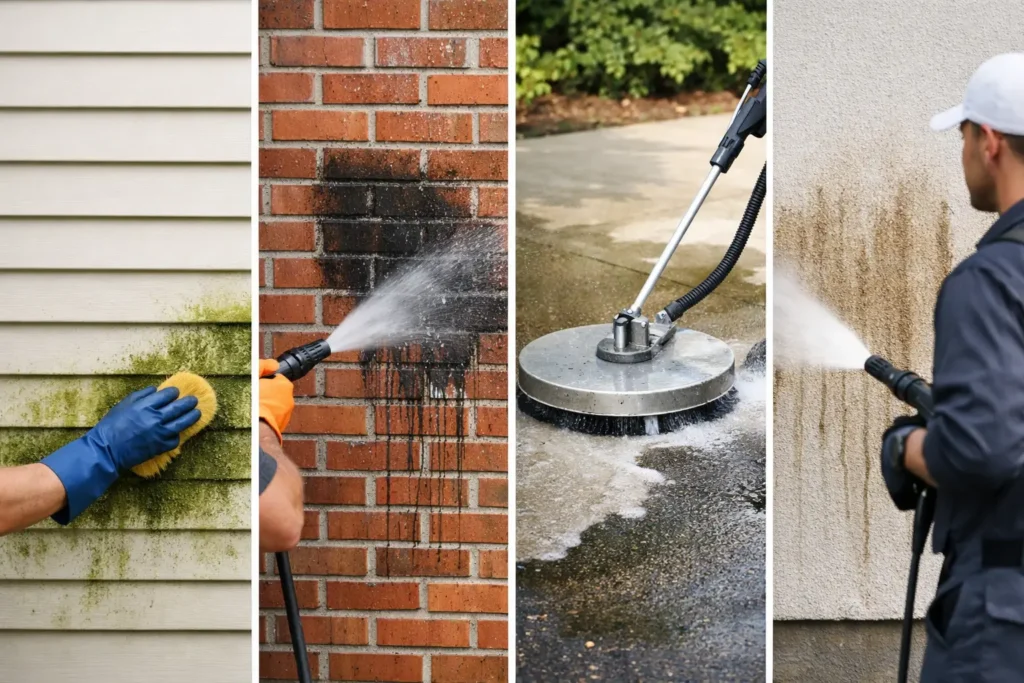
Green algae is one of the most common causes of slippery patios, dull driveways, and grimy walls. It thrives where surfaces stay damp, particularly on shaded paths, north-facing areas, roofs, and around gutters. Moss and lichen can be more stubborn because they attach themselves tightly to the surface.
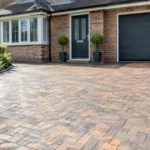
On patios and driveways, a professional clean can remove established growth and restore a much brighter finish. The method depends on the paving material and its condition. Concrete and many block-paved areas can handle carefully controlled jet washing, while older surfaces, natural stone, and fragile pointing may need lower pressure and a suitable cleaning treatment.
Roof moss needs particular care. Aggressive pressure washing can damage tiles, disturb mortar, and force water where it should not go. A safer roof-cleaning approach focuses on removing growth with appropriate tools and treating the surface where needed, rather than blasting at the roof from close range.
Black spot and embedded organic staining
Those dark, speckled marks that remain after a quick wash are often called black spot. They are common on patios, paths, and driveways, especially in damp areas with limited sun. Because the growth is embedded in tiny pores in the surface, water alone often will not shift it.
A professional treatment allows time for the cleaning solution to work before the surface is rinsed. This is why a good result is not always about maximum pressure. On the right surface, controlled cleaning can lift the staining without leaving striping, scars, or unnecessary damage behind.
Oil, fuel, and grease marks
Driveways and garage-front areas regularly pick up oil and grease stains from cars, bins, garden equipment, or DIY work. Fresh spills are usually easier to treat, but older marks can still be improved with specialist degreasers and patient cleaning.
There are limits. If oil has soaked deeply into aged concrete or porous block paving for several years, a faint shadow may remain after cleaning. A reputable cleaner should be clear about this before work begins. The aim is a visibly cleaner, safer surface, not a promise that every old stain will disappear completely.
Tire marks and general driveway grime
Tire marks, muddy footprints, leaf tannins, and accumulated road dirt can make a driveway look much older than it is. These stains are particularly noticeable on light-colored paving and concrete. A full driveway clean removes the overall film of dirt as well as the individual marks, giving a more even result than spot-cleaning one area at a time.
For block paving, the condition of the jointing sand matters. Cleaning may remove loose or contaminated sand between blocks, so re-sanding can be advisable once the area is clean and dry. It is a small but useful part of protecting the finished appearance of the driveway.
Rust and metal runoff stains
Orange-brown streaks on paving, walls, and render often come from rusty garden furniture, gates, drain covers, metal fixtures, or runoff from old ironwork. Rust stains can be difficult because ordinary pressure washing may do little more than spread the discoloration.
Professional cleaners use stain-specific products and test an inconspicuous area first. This matters on delicate materials, including natural stone, painted finishes, and certain types of render. The wrong chemical can alter the surface color, so rust removal is one job where experience is worth having.
Gutter overflow streaks and fascia staining
Black streaks on fascias, soffits, walls, and the outside of gutters may be caused by overflowing rainwater, algae, airborne dirt, or a combination of all three. Cleaning can improve the appearance considerably, but the source of the staining should be addressed as well.
If gutters are blocked, water can overflow repeatedly and leave fresh marks after every spell of rain. Gutter clearing alongside exterior cleaning helps prevent the same problem returning quickly. It also reduces the risk of water running down walls, soaking foundations, or reaching areas around windows and doors.
Traffic film, dust, and weather staining
Homes near busy roads or exposed coastal areas can develop a gray film on windows, cladding, soffits, and exterior walls. This is usually a mix of dust, vehicle pollution, salt residue, cobwebs, and moisture-borne dirt. It may not look dramatic at first, but over time it takes away the clean lines of the property.
Water-fed pole cleaning is a practical choice for windows, upper-floor frames, fascias, and conservatory roofs. Purified water can rinse away everyday grime without leaving the residue that causes spotting. Traditional methods still have their place for detailed work and difficult access, so the best method depends on the property.
When Stains Need More Than Pressure Washing
Pressure washing is highly effective for many hard surfaces, but it is not a universal answer. Too much pressure can damage soft brick, erode mortar, mark concrete, lift paint, and harm older paving. It can also drive water into vulnerable gaps around walls, doors, and roof materials.
The best stains professionals remove are treated according to both the stain and the surface beneath it. A good assessment considers the age of the material, whether it is sealed, how porous it is, the cause of the stain, and whether drainage or vegetation is making the issue worse.
For example, a pale, chalky deposit on brickwork may be efflorescence, caused by salts moving through masonry as it dries. It needs a different approach from algae. Similarly, peeling paint, cracked render, and faded paving are not always cleaning problems. Cleaning can remove surface grime, but it cannot repair a failing finish or reverse sun damage.
What Homeowners Can Do Before Booking a Clean
Avoid applying several household chemicals to a stain before a professional visit. Mixing products can create safety risks, make the area harder to assess, or leave behind residue that affects treatment. Bleach, strong acids, and unsuitable degreasers are especially risky around plants, pets, painted surfaces, and drainage points.
If possible, take note of when the stain appeared and what may have caused it. A new oil mark, a gutter that overflows in heavy rain, or rust beneath a metal planter all provide useful clues. Moving garden furniture, pots, and vehicles ahead of time can also help make cleaning day quicker and more thorough.
Regular maintenance is usually more cost-effective than waiting until every surface is heavily stained. Window cleaning, gutter clearing, roof moss control, and driveway or patio cleaning each play a part in keeping the exterior manageable. Essex Exterior Cleaning provides fully insured exterior cleaning with practical methods suited to the property, not a one-size-fits-all wash.
A stain-free finish is satisfying, but the real value is knowing why the marks appeared and preventing them from taking hold again. If your driveway, roofline, windows, or paving is starting to look weather-worn, arranging a professional assessment early can keep a straightforward clean from becoming a bigger property-maintenance job.