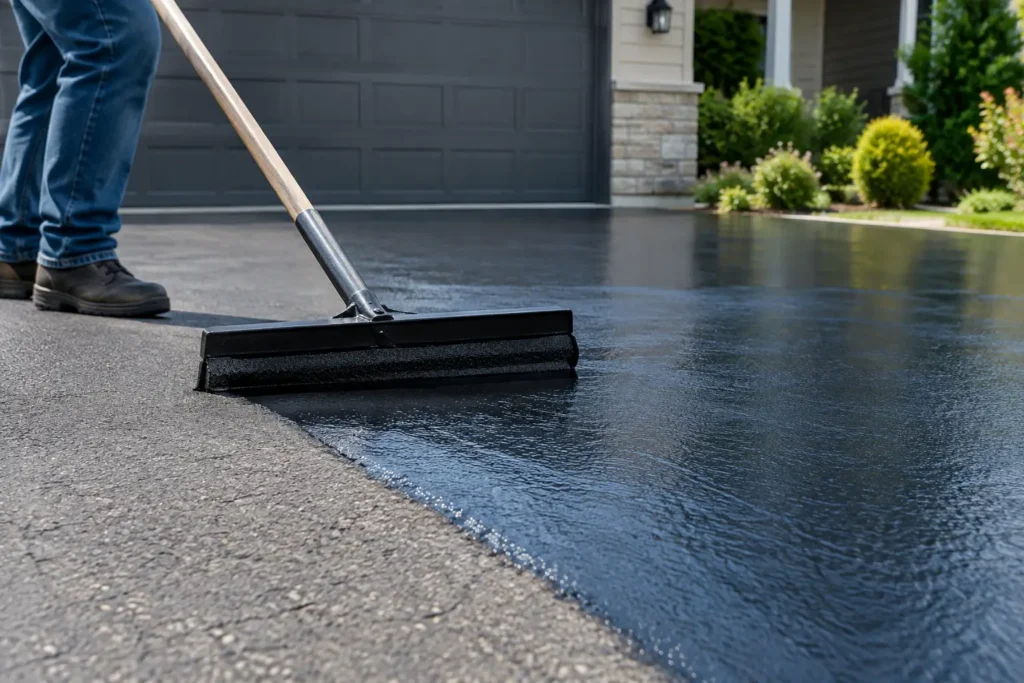
A freshly cleaned driveway can make the whole front of a property look cared for. The best driveway sealers help keep that result for longer, but only when the product suits the surface beneath it. Using the wrong sealer can leave concrete looking patchy, pavers with a shiny film, or asphalt prone to peeling.
For most homeowners, the right choice comes down to three things: driveway material, its current condition, and the finish you want. A good sealer should protect the surface from water, oil marks, dirt, and weathering without creating an unnecessary maintenance problem later.
Best Driveway Sealers by Surface Type
There is no single product that is best for every driveway. Concrete, block paving, and asphalt absorb water differently and need different types of protection.
Concrete driveways: penetrating sealers for practical protection
For plain concrete, a penetrating silane or siloxane sealer is often the best long-term option. Rather than sitting heavily on top, it soaks into the surface and helps reduce water absorption. This is useful where rain, frost, vehicle drips, and algae growth are regular concerns.
Penetrating sealers usually leave a natural-looking finish. They will not dramatically deepen the color or produce a wet-look shine, which is a benefit for homeowners who want protection without changing the appearance of the driveway. They are also less likely to become slippery than thick film-forming coatings.
An acrylic concrete sealer is better suited to someone who wants a more noticeable finish. It can enhance the color of decorative concrete and provide a satin or gloss appearance. The trade-off is that surface coatings can show wear in tire paths and may need more frequent reapplication than a quality penetrating sealer.
Block paving: joint-stabilizing and color-enhancing sealers
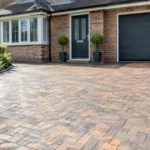
Block paving needs more preparation than most surfaces because the joints matter as much as the blocks. The best driveway sealers for pavers are often breathable, water-based acrylic sealers designed to protect the face of the blocks while helping lock kiln-dried sand into the joints.
This can reduce sand loss, make routine sweeping easier, and give the paving a richer, cleaner appearance. A matte or low-sheen product is usually the safer choice for a natural result. High-gloss finishes can look attractive at first, but they can exaggerate uneven areas, show tire marks, and become more demanding to maintain.
Do not seal block paving until it has been properly cleaned, fully dried, and re-sanded where needed. Sealing over dirt, remaining weeds, or damp joints simply traps the problem in place. If the driveway has substantial moss, black spotting, or loose jointing sand, cleaning and repairs should come before any sealer is applied.
Asphalt driveways: asphalt emulsion sealers
Asphalt needs a sealer made specifically for asphalt, not concrete or pavers. Asphalt emulsion sealers are a sensible choice for residential driveways because they restore a darker finish and help protect against water, sunlight, and everyday wear.
Avoid treating sealer as a fix for serious cracking, sinking, or loose edges. Small cracks should be filled first, while larger structural problems may need professional repair. Applying a new coating over damage can make a driveway look better temporarily, but it will not stop the underlying movement.
Coal-tar-based products have traditionally been used for asphalt, but many homeowners now prefer asphalt emulsion formulas because they have a lower odor and are generally easier to work with. Whichever product is chosen, allow enough dry time before parking vehicles on the driveway.
What Makes a Driveway Sealer Worth Buying?
The label can make many products sound similar, so focus on how the sealer will perform on your driveway rather than simply choosing the lowest-priced container.
A worthwhile sealer should offer water resistance, reasonable UV protection, and compatibility with the exact surface you have. For block paving and concrete, breathability is valuable. Moisture that is naturally present below the surface needs a route out. A coating that traps it can turn cloudy, flake, or peel.
Coverage rate also matters. A very cheap product may need several coats or cover far less area than expected. Check the stated coverage for your surface type, as rough concrete and porous pavers use much more product than smooth, dense surfaces.
Drying time deserves the same attention. A driveway that is touch-dry after a few hours may still need 24 to 72 hours before it can handle foot traffic, rain, or vehicles. Plan the work around a reliable dry spell and do not rush the curing process.
Clean First, Then Decide Whether to Seal
Sealer is not a substitute for cleaning. It works best on a sound, dry surface that is free from dirt, algae, moss, oil, and loose debris. This is particularly important on driveways that have been exposed to wet weather, shade, or regular vehicle use.
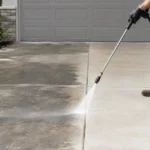
Start by removing weeds and sweeping away loose material. Treat oil marks with a suitable degreaser, then rinse thoroughly. Pressure washing can lift embedded grime from concrete and pavers, but it needs to be done carefully around block-paving joints. Too much pressure can remove sand and leave the driveway unstable.
After cleaning, give the driveway enough time to dry completely. On a mild day, the surface may look dry within hours while moisture remains deeper in the pores or joints. Waiting at least 24 to 48 hours is often sensible, and longer may be needed after heavy cleaning, rain, or cooler weather.
For homeowners in coastal or damp areas such as Canvey Island and Southend-on-Sea, allowing proper drying time is especially worthwhile. A clean driveway may look ready before it truly is. Applying a coating to trapped moisture is one of the most common reasons for disappointing results.
Common Sealing Mistakes to Avoid
The most expensive mistake is choosing a glossy appearance without considering how the driveway is used. A high-shine sealer can make pavers look darker and more vivid, but it may also show tire scuffs, water marks, and uneven application more clearly. A natural or low-sheen finish is often easier to live with.
Another problem is applying too much product. Thick coats do not automatically provide better protection. They can pool in low spots, dry unevenly, and create a sticky or cloudy surface. Two thin, even coats are usually better when the manufacturer recommends multiple applications.
Homeowners should also avoid sealing over efflorescence, the pale white residue that can appear on pavers and concrete. This needs to be addressed before sealing because it may continue to push through the coating. Similarly, do not seal a surface that is already flaking or coated with an unknown failing product without first preparing it properly.
When Professional Driveway Care Makes Sense
A DIY sealer can be a good option for a small, well-maintained driveway. The work becomes less straightforward when there are heavy stains, widespread moss, uneven block paving, drainage issues, old coatings, or extensive joint sanding required.
Professional exterior cleaning helps create the clean, stable surface a sealer needs. At Essex Exterior Cleaning, driveway cleaning is approached as property maintenance, not just a quick cosmetic wash. Removing built-up grime and organic growth can improve the appearance of the driveway now and help you make a clearer decision about whether sealing is worthwhile.
If the surface is sound and you are prepared to keep up with periodic cleaning, the right sealer can protect the time and money already spent on your driveway. Choose for the material first, prepare carefully, and favor a finish you will still be happy to see every time you pull up outside.